

 26.05.2026

Teaser networks are basically the dinosaurs of the affiliate world. They showed up back when the internet was just figuring out how to sell ads, and banners screaming “SHOCK!” or “You won’t believe this!” were pulling insane CTRs simply because people had never seen anything like it before.
A lot has changed since then. Users got smarter – banners didn’t. Teaser traffic picked up a reputation: trashy, clickbait-heavy, full of bots, and barely any real targeting. But here’s the interesting part – in 2026 these “relics” are still alive. And if you know what you’re doing, they can still generate solid profit. Especially in iGaming, where mainstream traffic sources are getting stricter by the day and CPA keeps going through the roof.
Teaser networks are all about cheap traffic, fast launches, and minimal restrictions. That’s why professional affiliates still keep them in their toolbox. In this guide, the 888STARZ Partners team breaks down what teaser networks actually are, how they work, their pros and cons, who they’re best suited for, and how to choose the right advertising platform.
What Is Teaser Advertising (and How Teaser Networks Fit In)
A “teaser” comes from the word tease – meaning to provoke curiosity, to hook attention. The goal isn’t to sell directly, but to make the user click out of curiosity. That’s why teaser ads usually look like this:
- A provocative headline
- A suggestive or eye-catching image
- Minimal text (sometimes none at all)
Teaser blocks are often disguised as news, articles, or “recommended content”, blending into the page like native ads.
The goal is simple: trigger emоtion → get the click. No hard selling. No “buy now”. Just curiosity. This works especially well at the top of the funnel. Teasers are great for pulling in cold traffic and kickstarting volume at a very low cost.
How the funnel works
In teaser traffic, your offer has to hit immediately. There’s no second chance. Here’s what fits best:
- Simple, direct value propositions
- Clear benefits upfront
- Fast, easy-to-understand flow
For example:
- Welcome bonus
- Free spins
- Risk-free bet
- Discount offer
Your landing page should be:
- Fast
- Clean
- Straight to the point
If the user doesn’t “get it” within 5 seconds – they’re gone.
What Is a Teaser Network

A teaser network is an intermediary between affiliates and website owners. Here’s how it works:
- You upload your creatives (e.g., gambling ads)
- Set targeting
- Fund your campaign
The ad network places your teasers across partner websites, shows them to users, and charges you per click. Everyone gets their cut:
- Affiliate marketer → profit from conversions
- Publisher → earns from traffic monetization
- Network → takes a commission
In many ways, teaser networks function similarly to affiliate platforms like 888STARZ Partners: one side brings the traffic, the other provides inventory, and the affiliate network manages the flow and payouts.
Important: Not Every Offer Works in Teasers
Teaser traffic doesn’t work well with complex funnels or high-friction products. Avoid running:
- Premium casinos with strict KYC
- Betting offers with a high entry barrier
- Products that require education before signup
Why? Because teaser traffic is impulsive. Users click fast – and leave just as fast. This traffic responds best to:
- Simplicity
- Instant gratification
- Clear, low-effort actions
If your offer requires thinking, reading, or effort – it’s better suited for other traffic sources.
How Teaser Networks Actually Work
Let’s say you’ve got an offer: sign up to a betting platform and get a “100% deposit bonus”.
Your target audience – men aged 25–45 who are into football and betting analysis. You log into a teaser ad network dashboard and see a catalog of publisher sites: sports news portals, betting blogs with odds and match previews, forums for sports fans.
From there, you:
- Select placements that match your audience
- Upload your creative (teaser banner)
- Set your bid – either CPC (cost per click) or CPM (cost per 1,000 impressions)
- Launch the campaign
Users click → land on your page → publishers get paid per click through the network.
Formats and bidding
Most teaser networks offer a range of advertising formats:
- Classic banners
- Video teasers
- Carousels
You choose the format, set your CPC or CPM, and the network starts pushing your creatives across its publisher base. In theory, it’s simple: higher bid → more impressions → better traffic. In practice – it’s all about the funnel.
Why most campaigns fail
You can have a solid budget and a catchy headline – and still lose money. Because in teaser traffic, everything depends on the chain:
- Teaser → grabs attention
- Pre-landing → warms the user up
- Landing → converts
If one part breaks – the whole thing collapses. Weak pre-landing? Users bounce. Bad landing? No conversions. Result = burned budget.
The role of pre-landing (critical)
Teaser traffic needs warming up. Always. And before the user even hits your main landing page, you need to:
- Show how easy it is to sign up
- Highlight the bonus
- Explain why they should act right now
The simpler and clearer the message – the better the conversion rate. Without a proper pre-landing page, you’ll get clicks, but actually no real actions.
Targeting and optimization
The good news – you don’t need to manually hunt for placements. The ad network does most of the heavy lifting. But you still have full control:
- Choose site categories (e.g., exclude news or adult traffic)
- Block low-quality sources
- Set GEO, device, and time targeting
And of course – the usual affiliate routine applies:
- Test
- Cut losers
- Scale winners
Good networks provide detailed stats and help filter out bad traffic, but the final result always depends on your setup.
Teaser traffic is especially useful in verticals like gambling and betting – where other traffic sources either reject your ads or choke you with moderation.
Teaser Networks in Affiliate Marketing: Pros & Cons
At first glance, teaser networks might look outdated – just cheap clickbait from the 2010s. But in reality, they’re still very much in the game. Let’s look at the main reasons why affiliates still may find teaser traffic profitable:
1. Low cost
CPC and CPM are significantly cheaper than in search or social. Perfect for testing, scaling, and getting that first click – especially on a tight budget.
2. Decent targeting (it’s not the Wild West anymore)
Modern teaser networks offer:
- GEO targeting
- Gender
- Interests
- Devices
Basically everything you’d expect.
3. Minimal moderation
This is a big one. Want to push aggressive creatives like:
- “x100 in crash game”
- “Champions League betting strategy”
No problem. You won’t get banned for a red arrow or “online bookmaker” in your copy.
Why Affiliates Still Use Teaser Networks
Despite all the stigma, teaser traffic isn’t going anywhere. In fact, a lot of experienced affiliates still rely on it – and for good reason.
Easy entry
No need for farmed accounts, warm-ups, cloaking setups, or fan pages. You upload a teaser, set your targeting – and you’re live. For beginners or anyone looking to quickly launch a fresh iGaming offer, it doesn’t get much проще.
Tons of networks, tons of GEOs
Want to run India, CIS, LATAM? No problem. There are teaser networks for pretty much every region and vertical. And sometimes, local networks outperform the so-called “global leaders”. We’ll cover the top networks a bit later.
Personal managers = your mini team
Most networks assign you an account manager – and in good ones, they actually help. They can:
- Suggest bid strategies
- Recommend creatives
- Review your landing pages
- Speed up moderation
In some cases, this alone can make a big difference in performance.
Full control and flexible optimization
Even though networks use automated algorithms, you still have a lot of manual control – which is a huge advantage. You can:
- Cut underperforming placements
- Disable weak creatives
- Segment traffic by device or GEO
Basically, you control everything that matters.
Lower competition
Yes, there’s competition – but compared to Facebook Ads or Google Ads, it’s way easier. And if you use spy tools to find working angles and properly adapt them – you can still find profitable setups.
Macros = instant localization
Want your creatives to feel native? Then use macros. They automatically insert location data into your ads, like: “A resident of [city] just made $90 on this slot”. It’s simple, cheap, and can significantly boost CTR.
Downsides of Teaser Networks

Of course, it’s not all sunshine. You didn’t think we’d just hype teaser traffic and send you off with a bag of “easy money”, right?
Limited traffic reach
Compared to giants like Facebook or Google, teaser networks have smaller reach. Most traffic comes from:
- News sites
- Forums
- Entertainment platforms
Users who live inside social media and messengers are basically out of reach.
AdBlock kills impressions
No matter how good your creative is, users with ad blockers simply won’t see it. And the share of those users keeps growing – especially in Tier-1 GEOs. So part of your budget leakage is inevitable.
Banner blindness
Users get used to teaser ads – and start ignoring them automatically. You’re constantly fighting for attention with:
- More aggressive angles
- Unusual creatives
- Provocative hooks
Otherwise, there will be no clicks.
Creatives burn out fast
Even your best-performing banner won’t last long. Once something works, dozens of affiliates copy it. Within days, your ad creative is everywhere – and performance drops. CTR goes down → campaign dies → back to spy tools.
Random traffic quality
Volume can be high – but quality is unpredictable. Expect next:
- Bots
- Accidental clicks
- Low-intent users
Targeting (by interests, gender, age) often works with a margin of error – especially in cheaper networks.
Analytics discrepancies
On paper, analytics in teaser networks look simple and clean. Clicks, spend, placements – everything is there. The problem? Trust.
Example:
- Network shows 1,000 clicks
- Your pre-landing shows half of that
Support response: “Everything looks fine on our side”. Meanwhile, some publishers may run behavioral bots that simulate real users. The network gets clicks, the publisher gets paid – and you burn the budget. That’s why you should never rely on network stats alone.
Always double-check with:
- Your affiliate tracker
- Pre-landing metrics
This is the only way to quickly spot bad placements and cut fraud.
No ready-made promo materials
Don’t expect creatives handed to you like in affiliate programs. At best, you’ll get:
- Basic banner builders
- Generic recommendations
Everything else is on you:
- Headlines
- Images
- Angles
- Testing
Want to run traffic? Build a batch of creatives and test fast. No perfection – just speed and iteration.
Teaser traffic is a gamble
Clicks are cheap – but ROI is unpredictable. You’re basically buying a bag of mixed traffic and hoping there’s something valuable inside. Some of it will be:
- Bots
- Random users
- Low-quality clicks
Occasionally, you’ll get a solid player who pays off everything. Often – you won’t. That’s why teaser traffic isn’t about precision – it’s about volume and fast decision-making.
Fraud and filtering issues
This isn’t just a “gray niche” problem – it’s about traffic quality. Even in white offers, you can run into:
- Behavioral bots
- Fake engagement
- Low-quality traffic
Affiliate programs may reject these leads. Advertisers’ anti-fraud systems will flag them. But the teaser network? It still gets paid per click.
You must filter traffic yourself
No moderation will save you here. If you don’t filter traffic on your side – you risk losing not just budget, but also your affiliate account.
The only working solution: pre-landing as a filter. Not just for warming up – but as a sieve. What helps here:
- Timers
- Buttons and interactions
- Fake comments
- Extra steps (scroll, click, open another page)
If users drop off early – good. That means you’re not sending junk to the offer. This is how you clean the flow and isolate real users.
So why even bother?
Simple answer: volume. In betting and gambling, it’s still hard to find a source that delivers this much cheap traffic. Yes, quality is lower. Yes, fraud exists. But if you learn how to:
- Filter fast;
- Cut aggressively;
- Scale what works.
You can still find profitable iGaming setups – especially on revshare models.
For Whom Teaser Ads Are Suitable For

If you’re running betting or casino offers in an iGaming setup, teaser ads are definitely not something new for you. This is exactly the case when a creative like “A player from London made 2 million in one evening” can bring more clicks than your highly segmented targeting campaign.
People visit a news site, scroll through articles about rising prices, and suddenly see: “A secret betting strategy that bookmakers are hiding”. Does it work? Answer is yes!
Online casinos, betting offers, live bets, and other gambling products with a trigger-based approach are perfect for teaser traffic. It’s all about emotions, excitement, and fast money. And teaser ads are built exactly on these triggers – fear of missing out, desire for easy profit, and curiosity.
Another advantage is moderation. Unlike platforms like Meta, where any mention of betting can result in a ban, teaser networks are much more tolerant. You can run a creative like “A doctor from Canada discovered a way to beat bookmakers” and спокойно continue optimizing your campaign.
At the same time, you shouldn’t expect miracles. Highly niche offers, complex financial products, or hyped “money-making schemes” without real value won’t perform well in teaser traffic. You need a clear connection between the catchy headline and a truly engaging landing page – not just clicks for the sake of clicks.
Even if everything is set up perfectly, a teaser network still doesn’t guarantee results. It delivers clicks, not qualified users. And a large portion of this traffic will always be low-quality. That’s quiet normal.
Choosing the Best Teaser Networks in 2026
A ranking like this is based on real experience: tests, losses, communication with support, and revenue analysis. We look not only at what teaser networks promise, but at how everything works in practice.
Below are three main filters through which we evaluated each network before including it in this ranking.
#1: Traffic quality and filtering capabilities
Most teaser networks send junk traffic – that’s a fact. The question is how deeply you can filter it: by GEO, devices, site categories, time of day, etc. The more filters – the higher the chance to find something real. Support for blacklists/whitelists and placement IDs is mandatory.
Besides quality, you also need to look at volume. How much can you actually scale? One thing is testing with 1,000 impressions, another is running a stable campaign with 50K+ clicks per day. If a network starts choking after your first serious bid – there’s no point working with it.
#2: Real numbers
Teaser network stats can be misleading. You might see a million impressions and five thousand clicks – but until you understand how many real users reached the final stage, there is no talk about profit.
Only one thing matters: can you get at least something from this traffic that covers your spend? It’s not just about impressions and clicks – you need a proper breakdown by sources. Export options, UTM tags, correct macro passing, postback setup. And most importantly – the numbers should match your own data (from pre-landing/tracker) at least by 80%. Otherwise, you’re losing money.
Real income is built on conversions, eCPA, and your funnel. If the traffic is break-even or negative – it doesn’t matter how “cheap” the clicks are. Also, some teaser networks don’t offer flexible settings, don’t filter fraud, and don’t allow fast scaling. That’s a dead end.
#3: Support: helping or pretending
Can you actually reach a real person when something goes wrong? Or is it always “offline” in Telegram, and tickets disappear into nowhere? We check how fast support responds, whether they help beginners, if you can contact a personal manager, and how communication is built in general.
Before starting, it’s also important to clarify how fast campaigns are approved, how they treat gambling and betting, and what they consider “too aggressive”. Whether there’s a chance to negotiate in case of a ban.
Some networks act friendly but silently cut your traffic when they see offers they don’t like. Many affiliates work with multiple accounts. If a network ban for shared IPs or similar creatives, you need to understand how it reacts to multi-accounts and proxies.
Full checklist before launch
If you don’t want to waste your budget, go through this checklist:
- Study the market. Test at least 10 networks. Compare interface, targeting options, pricing, volumes, and quality. Somewhere you’ll get 10K impressions for $50 and zero clicks, somewhere – decent traffic from the first campaign.
- Read reviews and case studies. Check forums, Telegram, and reviews. Experienced affiliates quickly point out where traffic is usable and where it only looks good in screenshots.
- Check targeting settings. No precise traffic without proper targeting. The more filters (GEO, devices, time, categories) – the better your chances. Check if you can disable placements and build black/white lists.
- Filters and anti-bot. Fraud filtering is a problem. Ideally, it should exist on both sides: network (anti-bot, validation) and your side (tracker, anti-fraud tools). But in reality, you can only verify it through testing. If bots reach your pre-landing – filters don’t work or are just for show.
- Content and verticals. Gambling is not accepted everywhere. Check in advance if the network allows it, especially with aggressive creatives. Otherwise, you’ll either get rejected or silently throttled.
- Entry threshold. Teaser networks don’t “select” partners. You’re not a partner – you’re a buyer. If you have $50, you can start. No one asks for your stats. Just don’t run obvious trash – or restrictions will come quickly.
- Test launch is mandatory. Without testing, you won’t understand anything. Launch a few creatives, check response, analyze traffic in your tracker, and only then decide whether to scale or stop.
In teaser networks, illusions disappear quickly. You can read about “clean traffic” and “smart algorithms” all you want, but in reality it’s often a lottery. Sometimes it works, sometimes you get a bot parade from the first click. That’s why only testing and cold calculation matter: tables, metrics comparison, no emotions.
Teaser traffic is far from a premium product – it’s a marketplace of attention. Your task is not to buy garbage wrapped in a nice package.
Below are our top 5 teaser networks that at least sometimes give a chance not to drown in bots and fraud.
Top Teaser Networks for Gambling and Betting
Teaser networks operate with massive volumes. The largest players on the market deliver billions of ad impressions every day. For example, Push.House claims around 14 billion impressions per day, ExoClick – about 1 billion daily, while HilltopAds delivers around 2–3 billion per day (roughly 70 billion per month). Even smaller networks like OctoClick provide hundreds of millions of impressions daily. For affiliates, this means you can fully load your campaigns and reach a huge audience.
The nuance is that not all of them accept teaser traffic for iGaming offers. Hundreds of networks promise huge profits, but in reality – bot after bot and replies like: “We’ll check why it didn’t work”. That’s why we reviewed current market players and selected those where running betting and casino traffic is actually reasonable. Minimum fraud, maximum chances to stay profitable.
Now let’s move from theory to practice and look at what teaser formats actually work in betting and casino verticals. Teasers can generally be divided into informational and promotional ones. The first type doesn’t sell directly – it presents something like news, creates curiosity, and hooks the user with a headline. These teasers usually lead to partner websites and focus on engagement.

Kadam
Kadam is one of the few networks that actually works with classic teaser ads. It fits iGaming without unnecessary complications: moderation is soft, creatives get approved, and clicks are real. You set it up – and launch. No hype, no exotic features – just a reliable workhorse known for stability and a reasonable approach.
Adsterra
Teasers are available here and perform well – especially for lower-tier GEOs. You get bot protection and convenient analytics. iGaming traffic is generally accepted, the interface is manageable, and support responds. Nothing extraordinary, but if you know what you’re doing – you’ll get traffic.
DirectAdvert
An old player that still holds its position, with over 600 million impressions per day and a network of 15,000 partner sites. The minimum CPC starts from $0.005, which is ideal for a low entry point and testing hypotheses. iGaming offers are available, but it’s still recommended to уточнить details with support beforehand.
Lanet CLICK
If you want to work with teaser traffic without burning your budget in global networks, it’s worth looking at Lanet CLICK – a local Ukrainian player. Here, teaser contextual advertising is not just an additional format but a полноценное направление with manual optimization, offer-based adjustments, and low entry thresholds.
Yes, most of the traffic comes from CIS and Eastern Europe, but conversions are real, moderation is reasonable, and managers stay responsive after your deposit.
Taboola
A well-known teaser ad network focused on “white” verticals and premium traffic from Tier-1 countries. Because of that, the advertising platform requires strict manual pre-moderation. If your offer payout is only a few dollars, it’s better to look at other networks.
In general, it doesn’t matter whether you want to run Tier-2 / Tier-3 or top European GEOs – you still need to choose carefully. Only practice will show who is actually a good partner and who is just another “almost working” network.
Test, optimize, and don’t hesitate to switch networks if performance isn’t there. Yes, in 90% of cases teaser traffic is a lottery with questionable quality – but in the right hands, it can still bring ROI.
Important: Always clarify through support whether betting or gambling offers can be run directly or need to be masked. Avoid teaser networks with unclear payout schemes and complicated moderation – if they ban you for “casino domains” or don’t pay for leads, that’s not a network, that’s a scam.
Step-by-Step Guide: How to Start Working with Teaser Networks
If you’re running betting or casino verticals but are tired of high bids on Facebook and unstable launches on TikTok – teaser networks can be a solid alternative. They’re not the most mainstream source among experienced affiliates, but they still work. Below is a step-by-step guide on how to get the most out of teaser networks without burning your entire budget:
#1: Define your target audience
Any teaser traffic campaign starts with understanding who you’re selling to. Build a clear user profile: gender, age, interests, and the “pain” your offer solves. Only by knowing your audience can you trigger the right emotion in your creatives.
The core iGaming teaser audience is men aged 25–45, often with low to mid income, interested in quick money, betting, and simple развлечения. Female traffic is rare and works as a separate case.
Your offer must hit these motivations: greed, curiosity, азарт, saving money. The simpler the message – the higher the CTR.
#2: Register in a reliable teaser network
Choose platforms with reasonable moderation, transparent payouts, and decent placements – without excessive adult traffic and junk inventory. The networks mentioned earlier are solid starting points.
The process is standard: fill in your profile, add payment details, and pass verification.
#3: Choose an offer that fits teaser traffic
It must hook instantly – this is critical. Teasers are driven by emotion and impulse: headline, image, and message must be simple and instantly clear.
iGaming, betting, and nutra are strong verticals here. If your landing page is complex, overloaded with text, or confusing – it won’t convert.
#4: Create a clickable creative
Half of your success depends on the teaser itself. You’re limited to a headline and an image – both must grab attention immediately and trigger curiosity.
The headline should evoke emotion: surprise, interest, light shock. The image should reinforce the message. Think in pairs: offer + emotion.
Test multiple variations right away to see what resonates. If something works – tweak only headlines or images without breaking the winning combo.
#5: Launch the campaign and set targeting
From the start, narrow your audience: GEO, devices, OS, interests. Set a daily budget cap so you don’t burn everything in an hour. Limit ad delivery by time – evenings often perform better since users are more relaxed.
A test budget for teaser campaigns should be no more than $50 – just enough to measure response.
#6: Set up tracking and tags
Without analytics, you’re just wasting money. Use a tracker like Binom, Keitaro, or at least Google Analytics. Add UTM tags: source, teaser ID, placement, GEO, device.
Track not just clicks, but post-click behavior. After 100–200 clicks, you can already draw conclusions:
- Low CTR → cut the teaser
- Many clicks, no leads → check the landing
Only proper tracking shows whether the weak point is the teaser, the placement, or the offer itself.
#7: Build white and black lists
Placements that perform well – add to a whitelist and scale with higher bids. Placements that don’t convert or bring suspiciously cheap traffic – blacklist them.
Use EPC (earnings per click): if it’s below your campaign average (e.g. $0.02), the source is useless. Store everything in a spreadsheet or tracker to avoid repeating tests.
#8: Optimize based on data
Got your first data? Act immediately. After spending $30–50, you can already make decisions:
- No leads → turn off the source
- CTR below 0.1% → kill the teaser
- Good performance → scale (increase bids, expand placements)
Monitor depth, bounce rate, and funnel performance.
#9: Scale once you find a working setup
Getting consistent leads? Increase budget, duplicate campaigns with new creatives, expand GEOs, test additional sources.
Don’t overcomplicate things if the main setup works. It’s better to scale steadily than burn a budget chasing perfection.
#10: Keep testing and refreshing offers
Any ad creative burns out in 2–5 days. Always have fresh variations ready:
- Change headlines
- Test new visuals
- Try different angles
If needed, outsource design or check spy tools for trending creatives. Always keep 2–3 new creatives ready and at least one campaign in testing – otherwise traffic will stop completely.
If you’ve been in affiliate marketing for a while, you already know: teaser traffic isn’t “launch and wait for ROI”. It’s about precise setup, analytics, and constant optimization.
Key Metrics to Track

CTR (Click-Through Rate)
Teaser ads typically have low CTR.
- Average: ~0.2%
- Strong creatives: up to 1–2%
- Typical range: 0.1–0.5%
For comparison:
- Push ads: ~2–5%
- Social media: even higher
CTR above 1% for teasers is already considered excellent.
CPC (Cost Per Click)
Teaser clicks are extremely cheap:
- Range: $0.005 to ~$2
- 10,000 clicks can cost just a few dollars
Much cheaper than search traffic in betting (which can cost tens of dollars per click).
Keep in mind:
- Tier-1 GEOs → higher CPC
- Developing regions → lower CPC
CPM (Cost Per 1,000 Impressions)
Since teaser traffic is often bought via CPC/CPM auctions, CPM isn’t always directly shown. Approximate benchmarks:
- Usually a few dollars or lower
- Example: CTR 0.2% + CPC $0.01 → CPM ≈ $5
- Even with CPC $0.10 → CPM ≈ $50
In practice, advertisers try to keep CPM low by balancing impressions and clicks.
Teasers are profitable mainly because of low CPC. At the same time, conversion rates are often higher than with classic banners – many users who click a teaser actually make it to the offer.
How to Create an Effective Teaser for Gambling: Real Examples from 888STARZ Partners

A teaser banner in a network is your first – and sometimes only – chance to hook a user. To make it work, the banner shouldn’t just “flash” on the screen, but instantly grab attention and trigger curiosity. Below are key techniques that help create banners that actually bring traffic and leads in the iGaming niche.
Visual focus
Bright colors, bold fonts, large objects – all of this helps you stand out from the same-looking ads. A good banner catches the eye even before the user understands what it’s about. Don’t be afraid to experiment with contrast and emotional triggers: surprise, curiosity, and excitement.
Minimal text, maximum meaning
Text on a banner should be short, sharp, and straight to the point. Use strong verbs, speak the language of your target audience, and show what the user gets immediately. The headline is your main hook – it must say: “look here”.
For gambling niche, provocative or ultra-simple hooks convert best:
- “He bet $500 and won an apartment”
- “Secret bookmaker insight leaked”
- “Winning slot strategy revealed”
Only high-quality images
Blurry stock photos that have nothing to do with the offer only reduce trust. The image must be relevant, expressive, and support the message – not distract from it.
Call to Action (CTA)
Buttons or texts like “Learn more”, “Bet”, “Play”, “Claim bonus” should be visible and clear.
Add urgency or value triggers:
- “Only today”
- “+200% first deposit bonus”
- “No verification bonus”
Unique offer
A banner is not the place for full product storytelling. It should briefly show the core value:
- “Bookmaker with instant payouts”
- “Casino with no verification and no limits”
The user must instantly understand why they should click – bonus, convenience, or problem solution.
Cross-platform adaptability
One banner must display correctly across different devices. Even better – create multiple versions for different formats and screens. Mobile traffic is especially important, as its share in teaser networks keeps growing.
Size and load speed matter
Lightweight banners load faster and don’t annoy users. Avoid heavy animations and visual overload – better simple but fast.
A user has one second to notice a teaser and click it. That’s why mediocrity doesn’t work. People react to extremes: shock and humor, wins and losses, simplicity and the unbelievable.
For example:
- “Played 1xBet for fun – won $20,000 and lost friends” → triggers emotion and curiosity.
- “Quit factory job and now make $200K/month on betting” → appeals to escape from routine.
- “This mistake is draining your bets. Check before it’s too late” → creates urgency and insider feeling.
- “What real winners from Vulkan look like: no glam, no fake” → contrast-driven curiosity.
When it comes to product teasers (for example, selling betting training courses, slot guides, etc.), it’s important not to overdo the promises. You can’t mislead the user: if after the first click they realize they’ve been tricked, they won’t become either a customer or a loyal user. Respect your audience – it’s your future profit.
Now, specifically about teaser visuals – this is the first thing that grabs attention. If you’re promoting a solution to a “pain point,” such as betting losses, it’s better to use emotional, real-life imagery: a screen with an empty balance, a shocked person in front of a laptop, or a bankroll loss screenshot. Yes, they may not look pretty, but they reflect real emotions – and these types of images get more clicks than polished, glossy “happy winner” visuals.
Important: people project ads onto themselves. The user should recognize their own fears, desires, pain, or dreams in the teaser. That’s why stock, staged photos perform worse – they don’t build trust. It’s better to use native, even slightly “raw” visuals – they feel more real and therefore convert better.
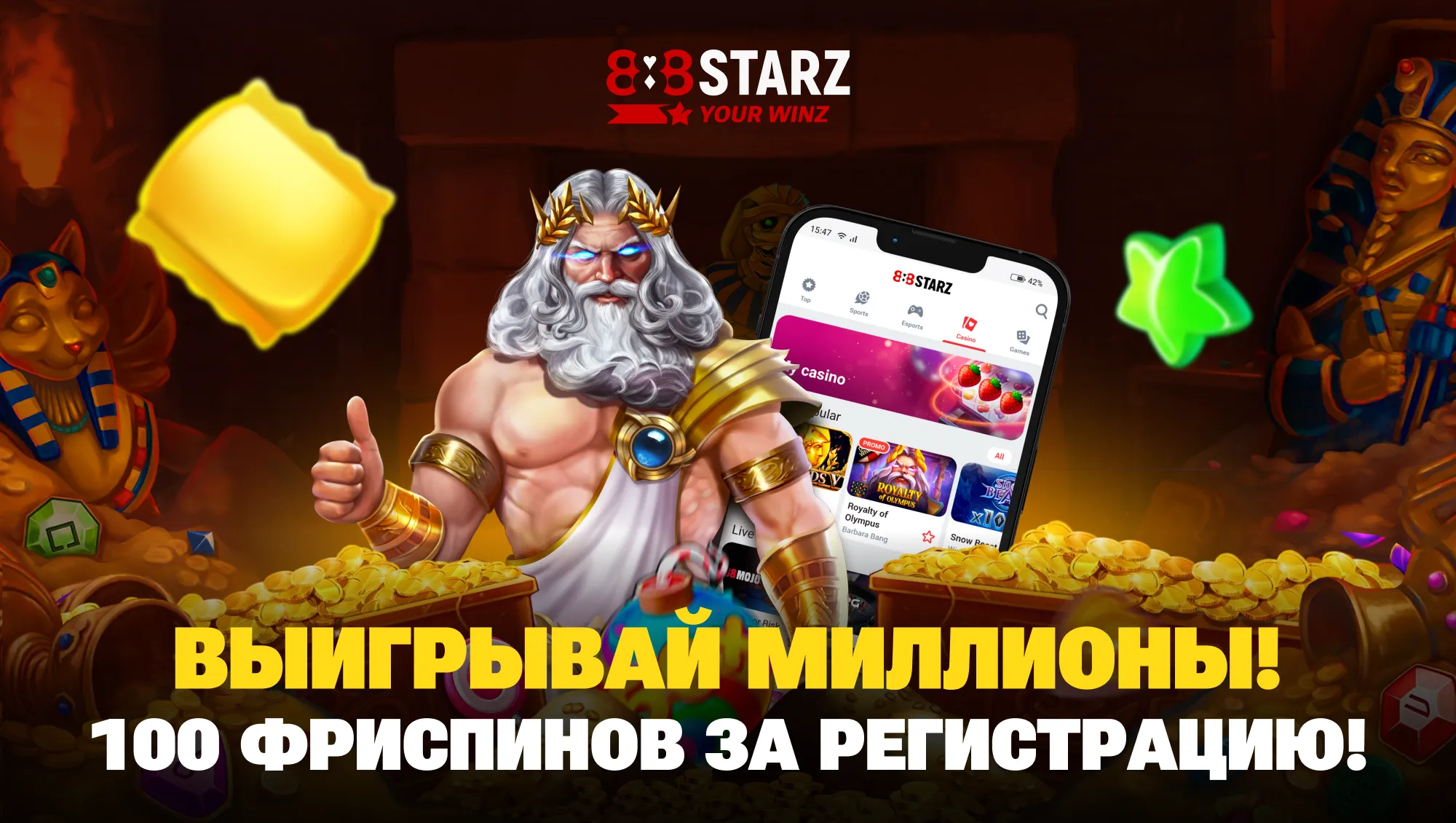
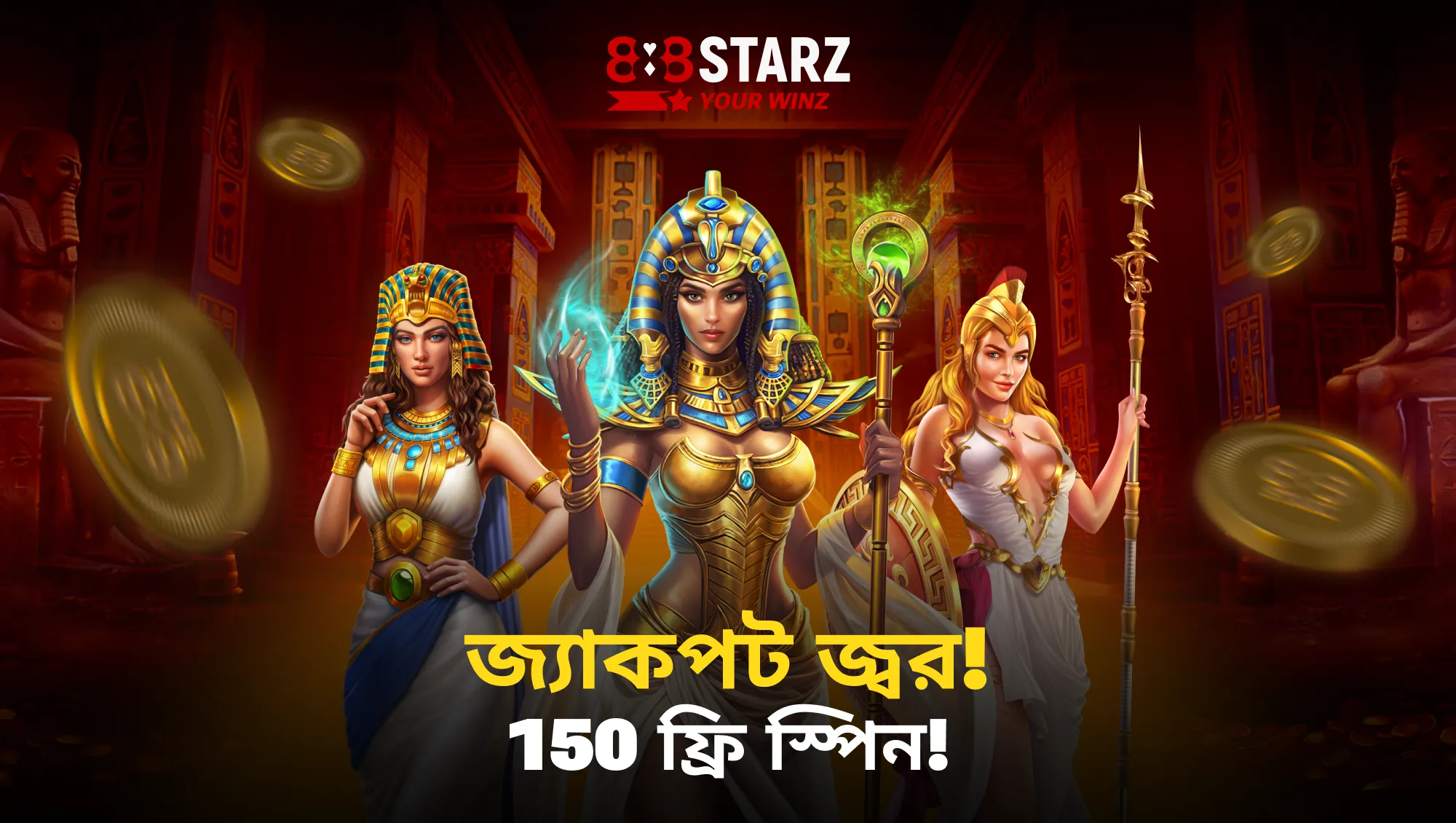
To visualize everything above, let’s finish with examples of our teasers:




Conclusion: Is It Worth Working with Teaser Networks in 2026 for Affiliates
Teasers are not magic – they’re just a tool. They work especially well in iGaming, where emotional triggers, curiosity, and strong pre-landing pages matter the most. Grab attention, warm the user up, show the offer – and they’re already inside your funnel.
Yes, clicks are cheap. Yes, launching is easier than running paid social traffic. But there are also obvious downsides: bots, low-quality traffic, overheated GEO auctions, and so on. That’s why everything depends on creatives, constant testing, whitelists, and fast optimization. This traffic source is not about “set it and forget it” – it’s about continuous analysis and working with data.
If you’re working with gambling and want to scale teaser traffic with real performance – join 888STARZ Partners. Here you won’t be questioned for using teaser ads, your campaigns won’t get frozen for bonus creatives, and you won’t lose your account over “low-quality traffic.”
Clean support, strong offers, fast payouts, and a realistic approach to affiliate traffic – that’s what 888STARZ is about. Everything else is your expertise.
Frequently Asked Questions About Working with Teaser Networks
How does teaser advertising work?
Teasers are placed on websites as native ad blocks. A user sees the ad, clicks it, and lands on a pre-landing page or offer. This format works especially well thanks to curiosity-driven headlines and visuals, particularly in grey and mass-market niches.
Where can you buy teaser traffic?
Teaser ads can be launched not only through dedicated teaser networks but also via affiliate platforms or directly from webmasters and publishers who provide this type of traffic.
What is the difference between teaser networks and other traffic sources?
The key difference is the engagement mechanism. Traffic in teaser networks is based on impulse clicks: users click because they are triggered by emotion – a headline or image. It is not search traffic with clear intent, and it is not targeted ads with deep algorithmic matching.
A teaser network for monetization is about mass reach and fast reactions. Simplicity, aggressive messaging, and a clear funnel are what matter here. That’s why teasers perform well in verticals where low CPL and bold creatives are acceptable – such as nutra, betting, and iGaming.
What is the minimum budget to start working with teaser networks?
A recommended starting budget is $100–150 for testing.
- $30–50 – initial testing of the creative and funnel response
- $50–100 – optimization and scaling of working elements
Important: teaser traffic is not “launch and wait for ROI.” Without tracking, optimization, and analytics, even $500 can be lost quickly. It’s better to start with small bids, daily caps, and the expectation that 70% of creatives won’t work – and that’s normal.
What is the difference between teaser ads and banner ads?
A teaser is an ad with an image, headline, and short text built around curiosity and engagement. A banner is usually a static or animated visual focused on brand awareness or product recognition.
How to create an effective teaser?
A successful teaser is built on three elements:
- a trigger headline
- an emotional visual
- alignment with the offer
CTR increases when:
- the headline provokes a strong reaction (shock, curiosity, “I need to know more”)
- the image stands out and reinforces the message
- the teaser matches the landing page without misleading expectations
Short, direct phrases and clean visuals perform best. Always test 5–7 creatives at once – even experienced affiliate marketers rarely predict the winner on the first try.
How to fight creative fatigue in teaser networks?
Every teaser eventually “burns out” and loses performance. To stay ahead:
- regularly refresh headlines and visuals
- keep the same structure, but change details (color, background, wording)
- rotate creatives across placements
- run A/B tests and control impression frequency
Best practice: always have at least one active test creative and one backup ready.
How to protect yourself from fraud in teaser networks?
Fraud is a reality in teaser traffic. To reduce risks:
- use anti-fraud tools in your tracker
- exclude suspicious placements (low EPC, abnormal CTR, high bounce rate)
- work with reputable networks with transparent statistics
- build manual whitelist/blacklist systems
If you notice traffic spikes without conversions or unusually cheap clicks – immediately flag the placement and restrict delivery.
What teaser formats perform best in 2026?
The strongest advertising formats in 2026 are:
- Native teasers – embedded into content for a natural look
- Large image blocks – minimal text, strong visual impact
- Clickbait cards – urgency, intrigue, limited access (“only 3 spots left”, “you won’t believe what happened”)
- Animations / GIF-style ads – especially effective in mobile traffic
Ultimately, teaser performance depends on one thing: how fast it grabs attention and pushes the user to click.
Publication date26.05.2026